Textile
Arts
Since 1955
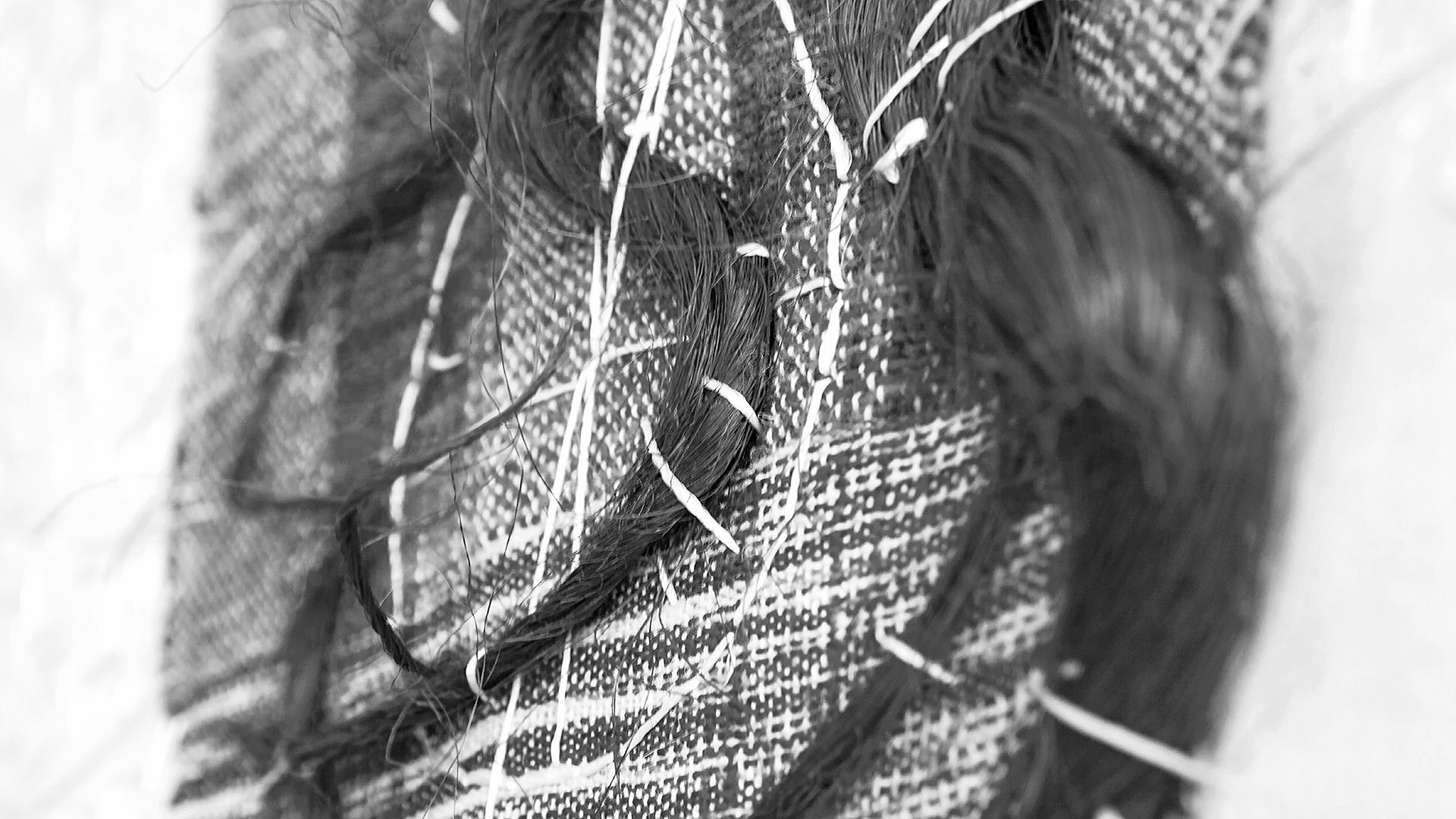
The foundation of the present Department lies in the establishment of artistic weaving and embroidery workshops within the Bucharest School of Fine Arts. After the end of the Second World War, the “Nicolae Grigorescu” Institute of Fine Arts expanded with a section oriented towards textile arts. The subsequent development of the textile industry required the emergence of a strong creative body, both in weaving structures and in textile printing. In this context, the appointment of the graphic artist Maria Pană-Buescu as coordinator of the silk-screen printing specialisation played a decisive role; her artistic personality and pedagogical talent left a lasting mark on generations of graduates.
At the same time, within the weaving specialisation, Tatiana Călugăru taught tapestry, collaborating with prominent figures such as the mural artist Ștefan Constantinescu and the sculptor-ceramist Mac Constantinescu. A genuine emulation in the field of tapestry emerged with the first generations of artist-graduates during the 1955–1965 decade. By the 1970s, a strong generation of tapestry artists had formed, and during the 1980s and 1990s tapestry gained a wide following in Romania, with many practitioners holding university degrees.
The textile arts specialisation developed along two directions based on distinct technologies: tapestry and woven structures, and textile printing. Among the professors dedicated to the field of textile arts are Emilia Niculescu Petrovici, Ileana Balotă, Leontina Măilătescu, Ecaterina Teodorescu, Maria Mihalache-Blendea, Teodora Moisescu-Stendl, Florica Vasilescu, Irina Stânga, Radu Avram, Lucia Pepenaru, and Olga Birman Sabău.
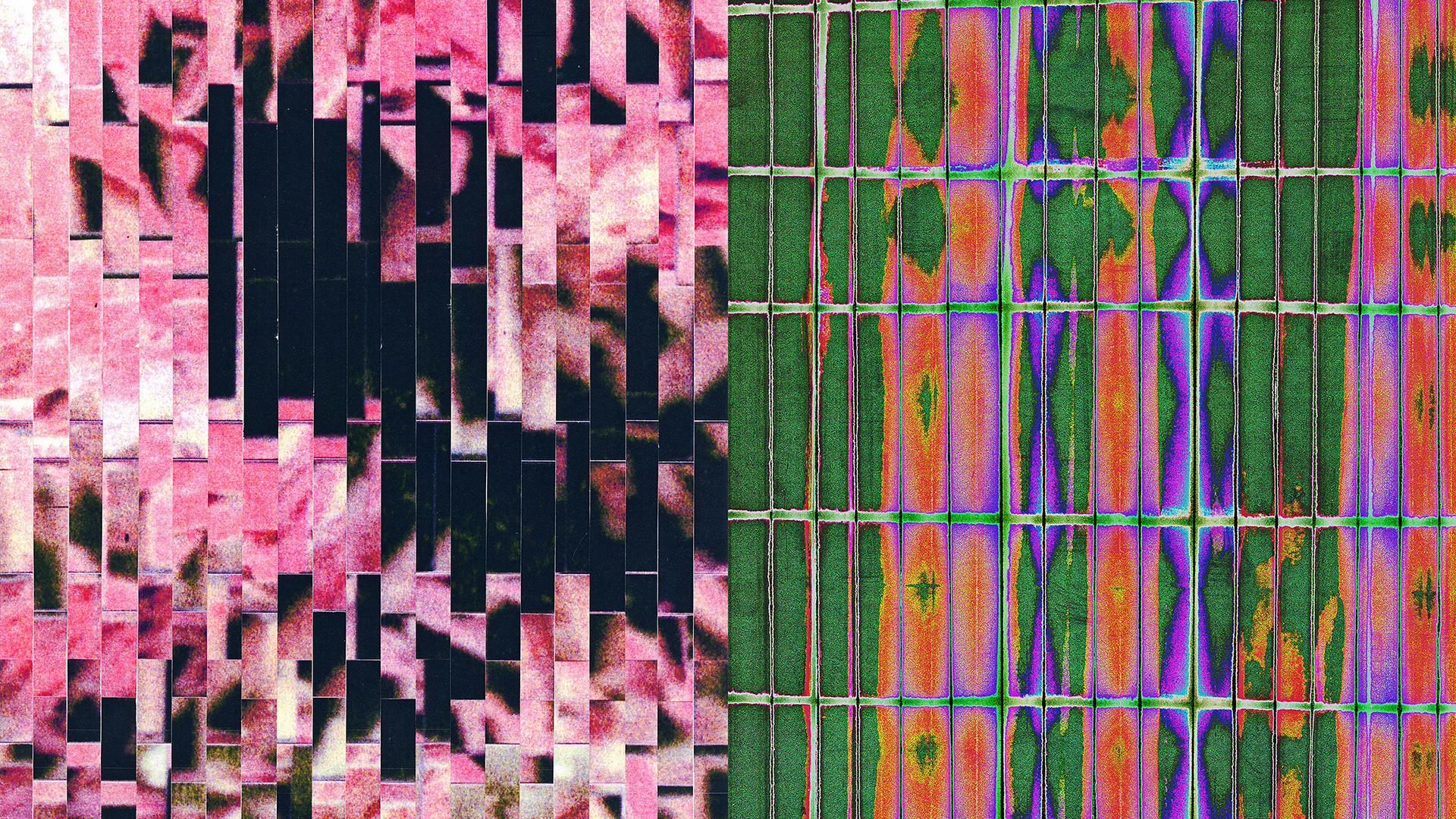
Today, from a form of decorative art, textile art has become a means of expression compatible with the contemporary spirit, responding to current needs for articulation and conceptualisation. In recent decades, the textile material has transformed from a mere support carrying a visual message into a plastic substance in its own right. Consequently, the Textile Arts – Textile Design study programme is undergoing a process of alignment with the labour market, while also allowing for the integration of innovations in design methodologies, the use of new materials, and digital technologies of visual translation.
The Department is defined by the history of its specialisation, the professionalism and integrity of its teaching staff—composed of practising artists in the field—as well as by the strong reputation and professional success of its graduates. We consider that the student’s individual study and the educator’s tailored pedagogical effort, applied to each student individually, are essential to the correct and personalised formation of future professionals.
The undergraduate cycle provides general knowledge and skills in textile art and design: textile arts as artistic expression (fibre art, object, installation) in a textile medium; textile design for interior décor collections; and textile design for fashion collections (woven fabrics or prints). The master’s programme in Environmental Textile Arts offers students the opportunity to develop an in-depth project, with an emphasis on creativity, original personal contribution, investigation, interpretation, and innovative experimentation. Access to a professional doctoral programme is also available, representing the final stage in the development of an authentic artistic identity.
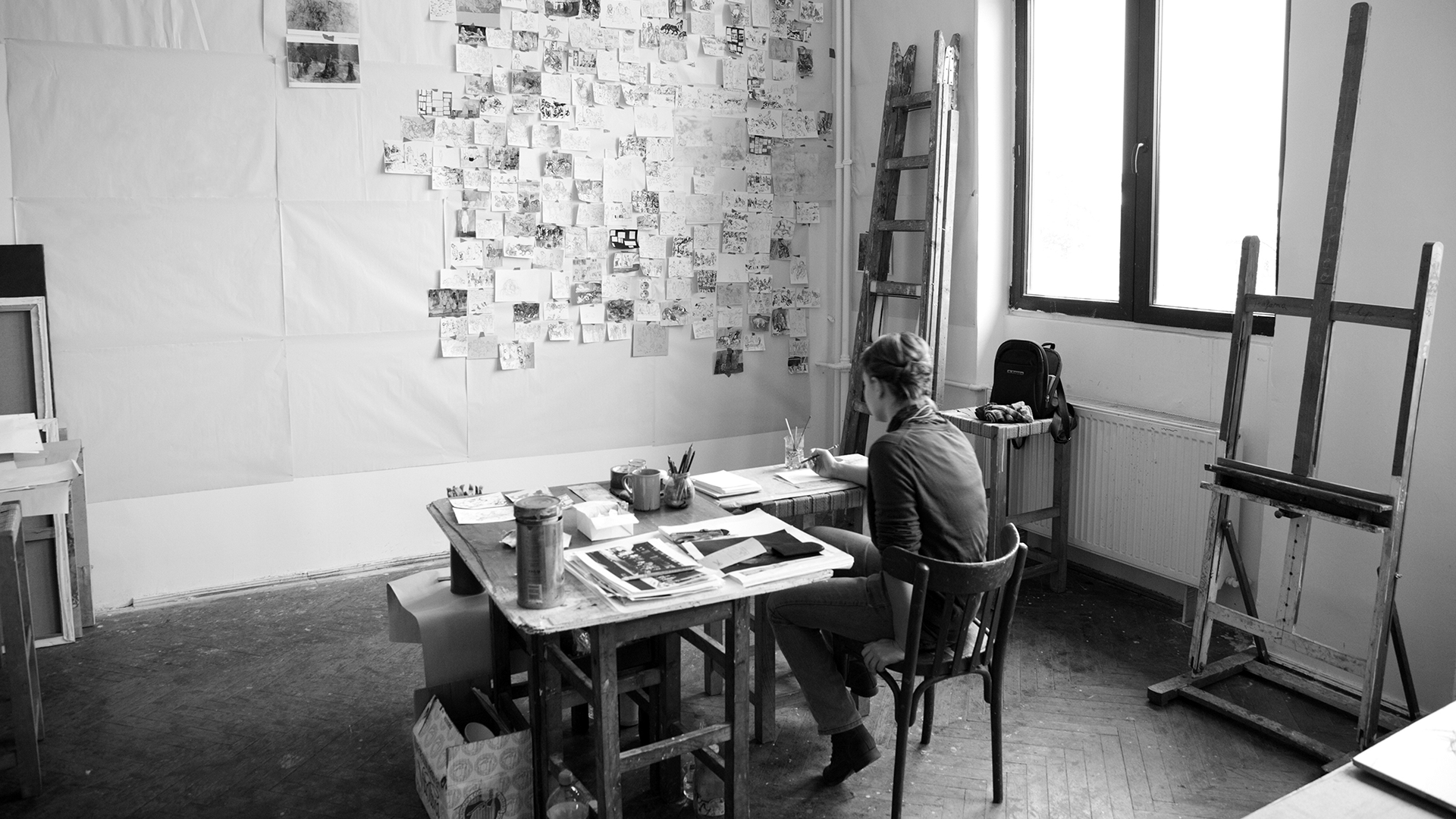
Our activities take place in study and design spaces and studios, technological facilities—laboratories for translating creative works, experiments, and applied research themes into textile media (textile printing, tapestry and woven structures, and computer-based image processing)—as well as in a specialised library comprising over 250 reference titles and periodicals in the field.
Study Programmes
Enrollment Numbers
Regulations
Timetables
Academic Calendar
Professors

Conf. univ. dr. habil.

Conf. univ. dr.

Lector univ. dr.

Lector univ. dr.

Lector univ. dr.

Lector univ. dr.

Lector univ. dr.

Asist. univ. dr.
Courses
Licență – Arte Textile – Design Textil
Licență I
—
—
Licență II
—
—
Licență III
—
—
Master – Arte Textile Ambientale
Master I
—
—
Master II
—
—