Ceramics–Glass–Metal
Since 1960
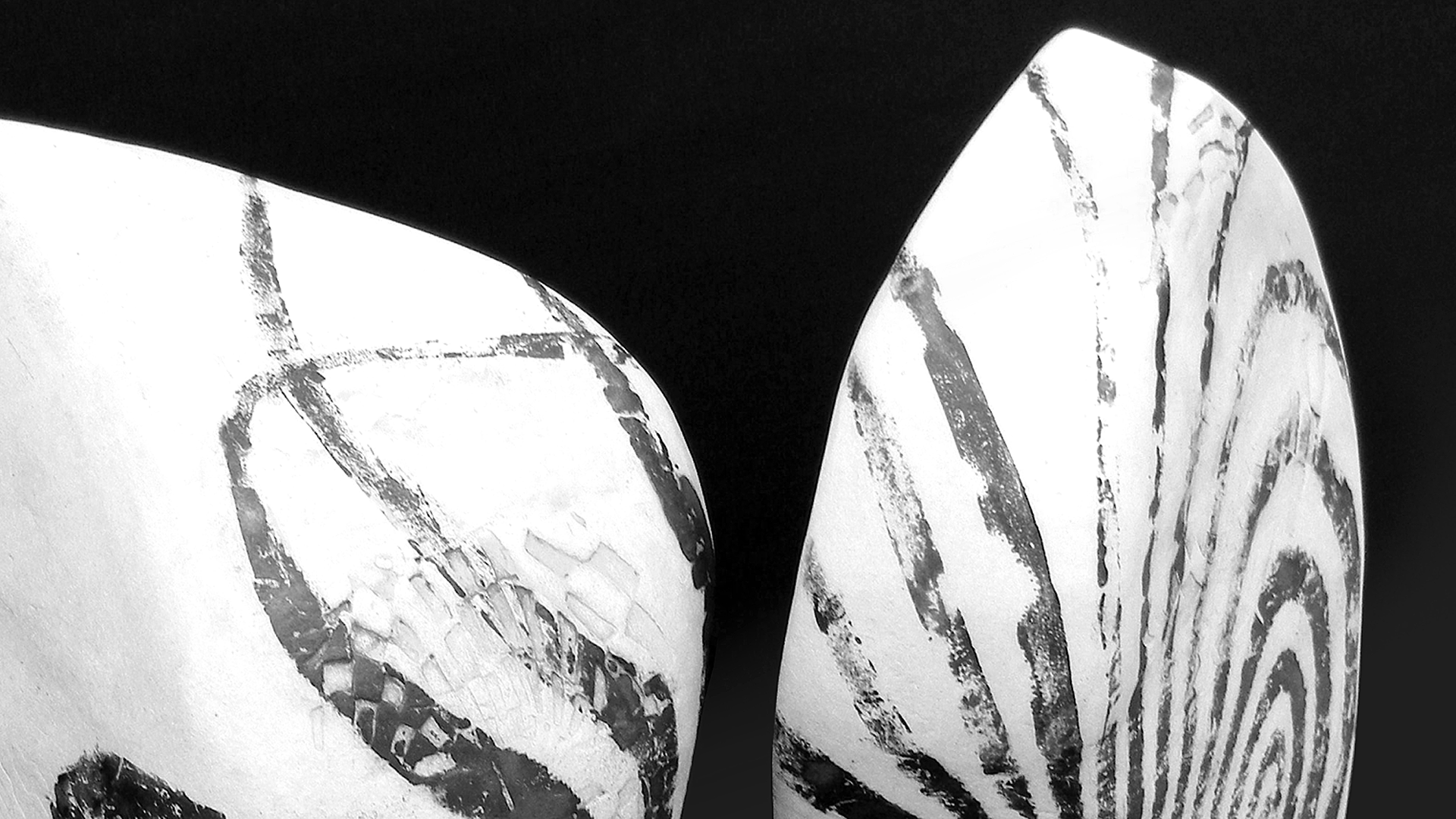
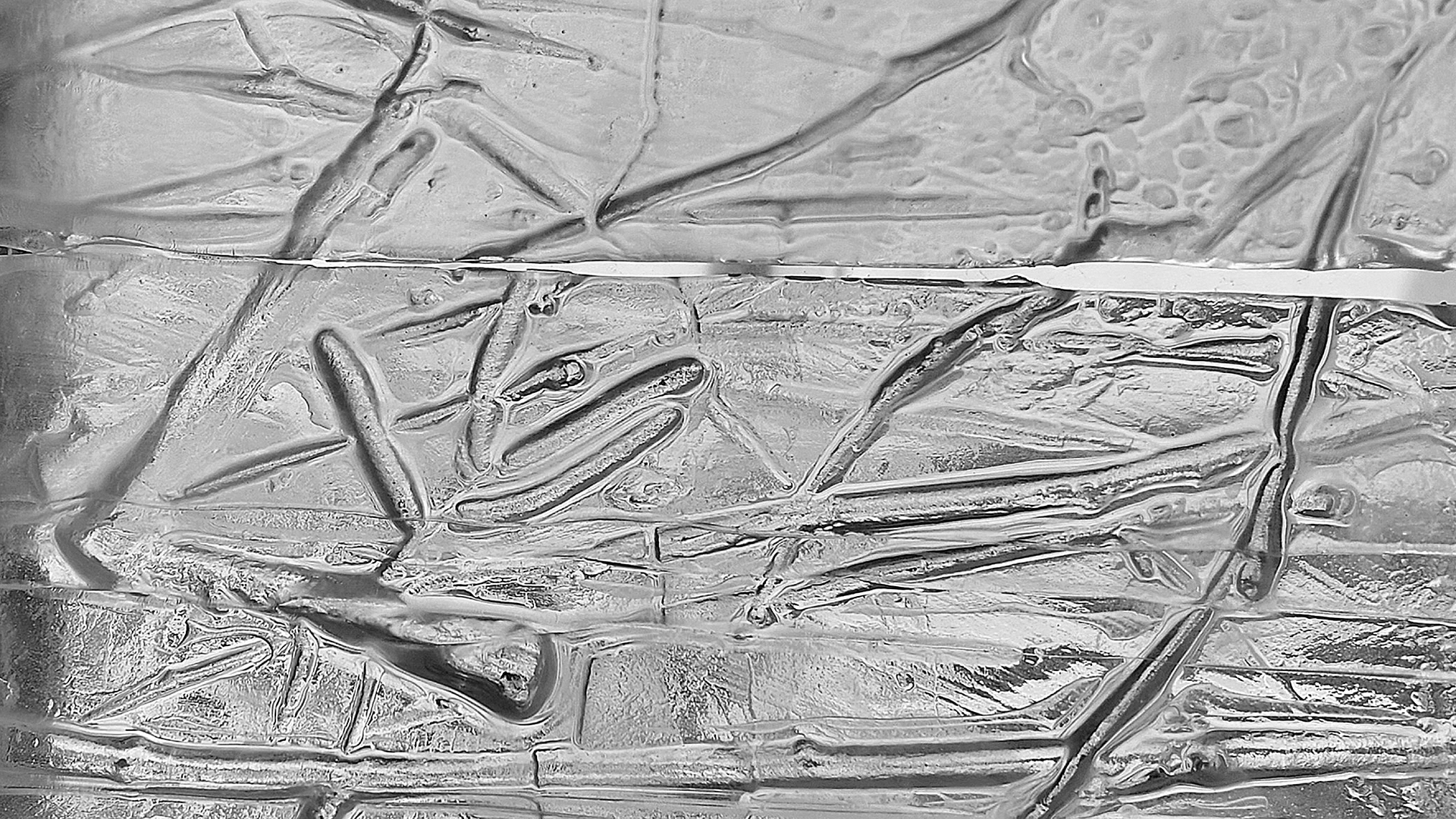
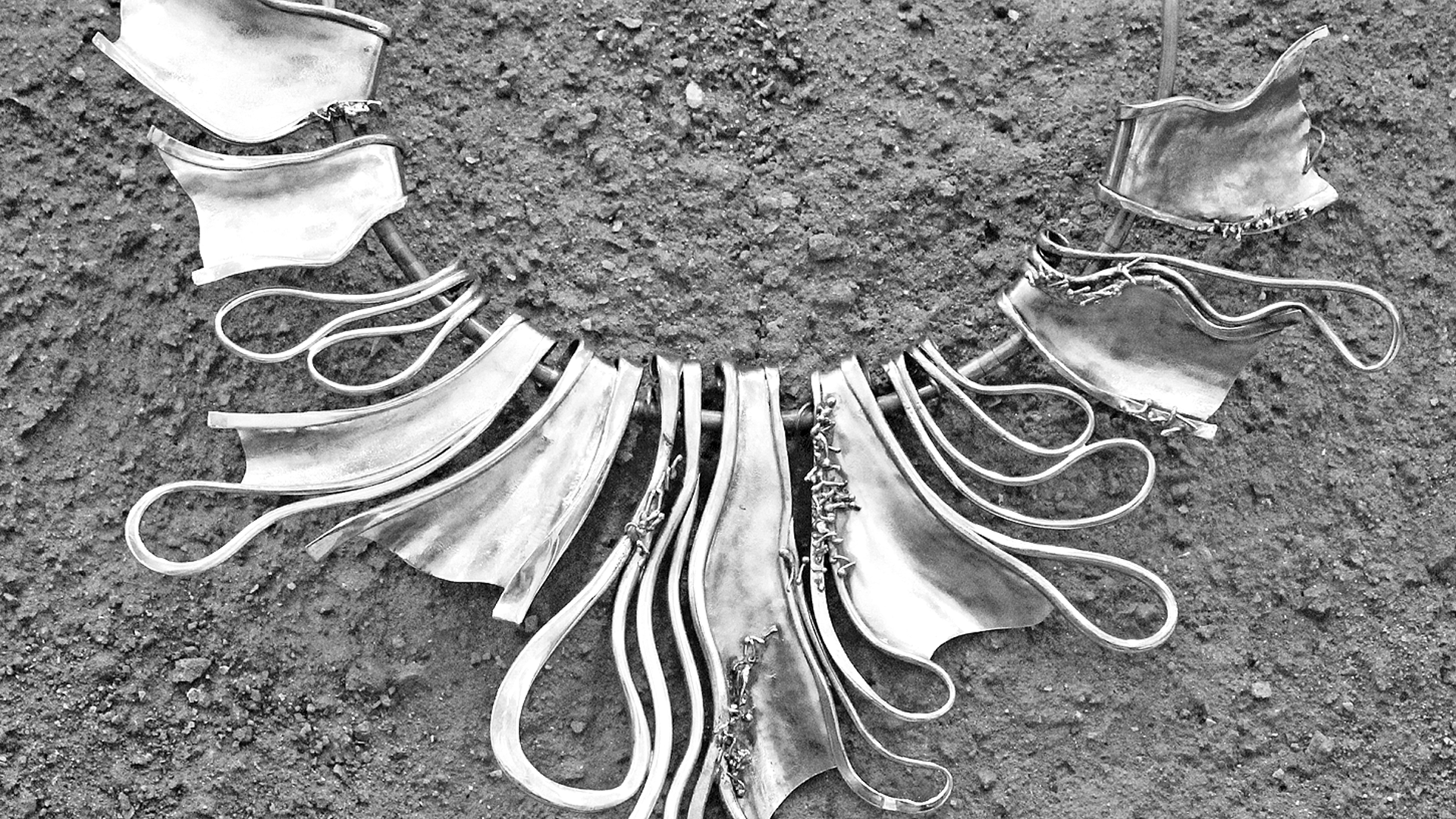
The Ceramics–Glass–Metal Department aims to train graduates—artists specialised in artistic creation expressed through ceramic materials, glass, or metal.
The origins of the Ceramics–Glass–Metal Department, as an autonomous unit, date back more than sixty years, to the period when the present-day faculties separated from the Academy of Fine Arts. Among the prominent figures who taught within the Department, the professor Mac Constantinescu stands out as a versatile, Renaissance-type artist who, through personal commitment and dedication, established a modern, European trajectory that shaped the Department’s subsequent development.
Over time, the formation of generations of artists has been guided by professors such as Zoe Băicoianu, Dan Parocescu, Dumitru Voicu, Romeo Voinescu, Lucia Ioan, Lucia Neagu, Marcel Brici, Costel Badea, Lazăr Florian Alexie, Nicolae Adam, and Dan Popovici. At present, the Department brings together a team of specialised professors and technicians who, through their artistic and pedagogical activity, contribute decisively to the education of young artists.
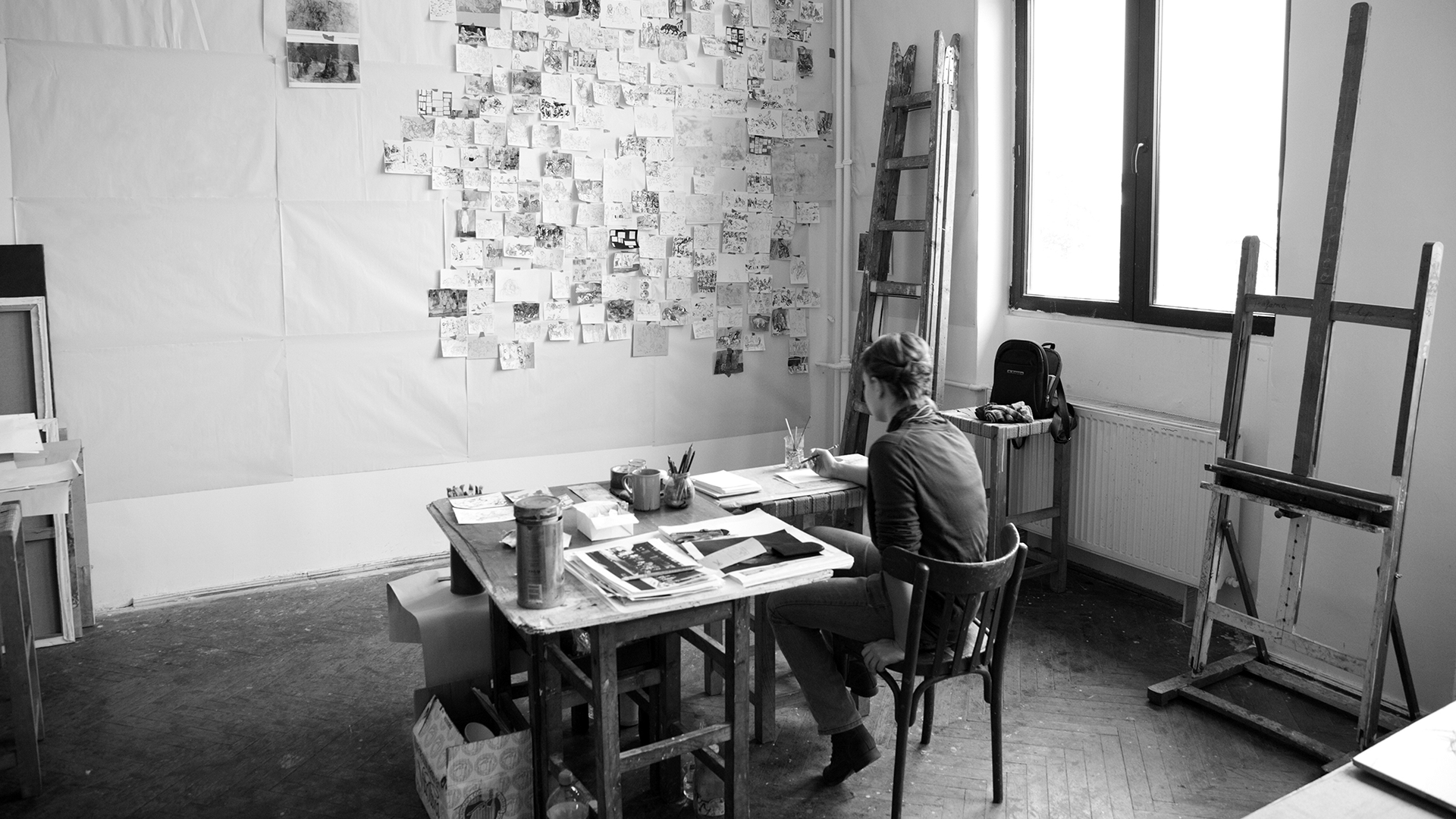
The Ceramics–Glass–Metal Department benefits from a substantial material base, comprising studio spaces for core educational activities and a series of specialised laboratories dedicated to the three directions: facilities for the preparation of ceramic bodies, plaster casting, ceramic transfer, ceramic firing, and ceramic technology; workshops for hot glass melting and processing, glass engraving, jewellery, and metalworking; as well as a computer room. Together, these facilities support the full range of activities specific to the three specialisations: ceramics, glass, and metal.
Among the Department’s equipment are three ceramic firing kilns, a glass thermoforming kiln, a glass-melting kiln, annealing kilns, and machinery necessary for the processing of ceramic materials, glass, and metal.
The curricula are structured around the three specialisations and are designed to develop the qualities and knowledge required for artistic education in ceramics, glass, and metal. Courses are organised for the undergraduate cycle (three years) and the master’s cycle (two years). Through formative disciplines, the study programmes aim to foster artistic skills and to identify modes of artistic research specific to each field of specialisation.
Explorations are directed both towards the study of utilitarian forms and of environmental artistic forms, thus allowing students to choose a particular direction in their professional development. The programmes are adapted to the requirements of contemporary society and remain open to current artistic trends. As evidence of this approach, the Department’s graduates are present in national and international artistic events, contributing to the integration of Romanian art within the broader European artistic context.
Study Programmes
Enrollment Numbers
Regulations
Timetables
Academic Calendar
Professors
Courses
Licență – Ceramică–Sticlă–Metal
Licență I
—
—
Licență II
—
—
Licență III
—
—
Master – Ceramică–Sticlă–Metal
Master I
—
—
Master II
—
—