Overview
& History
Overview
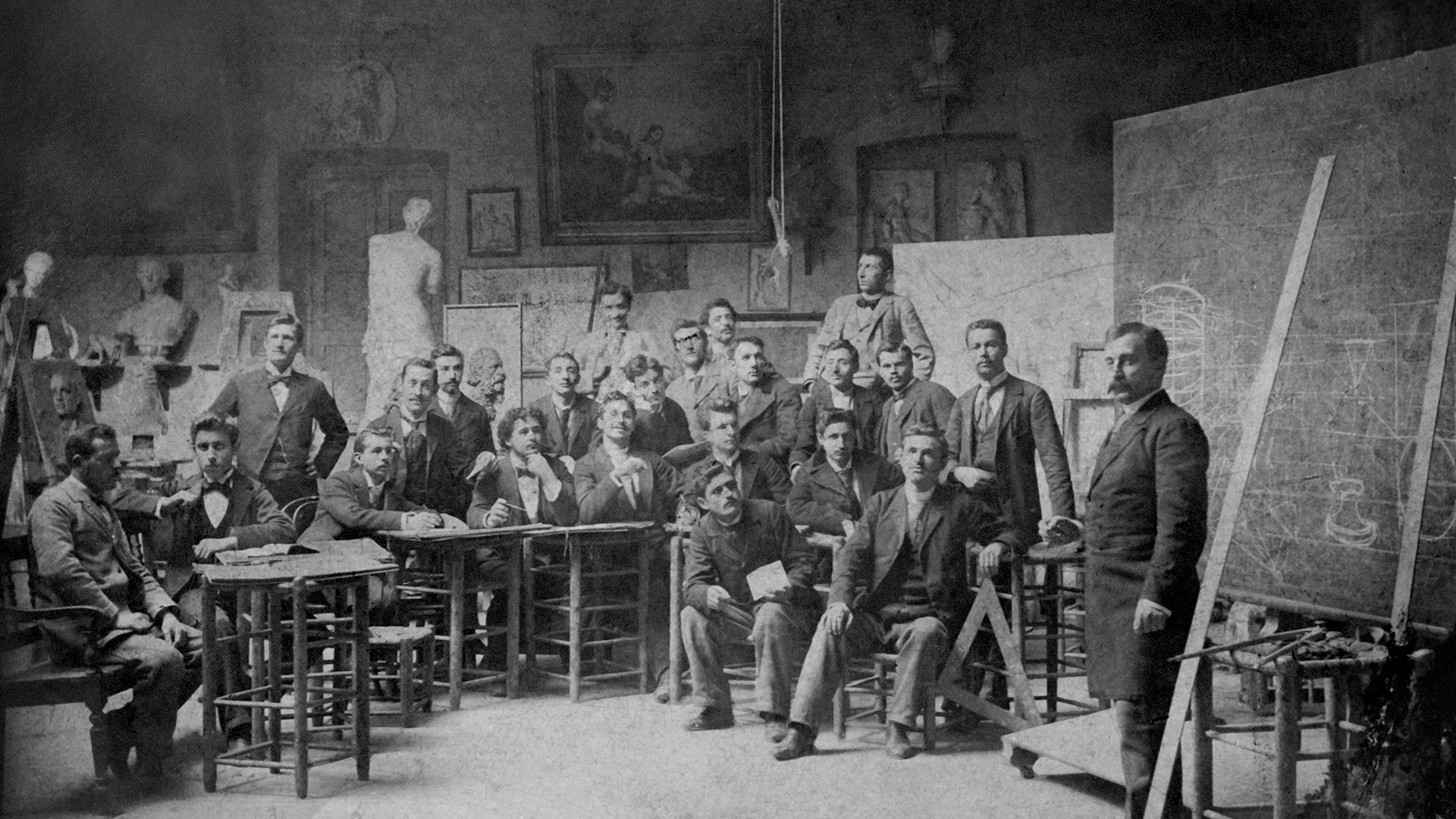
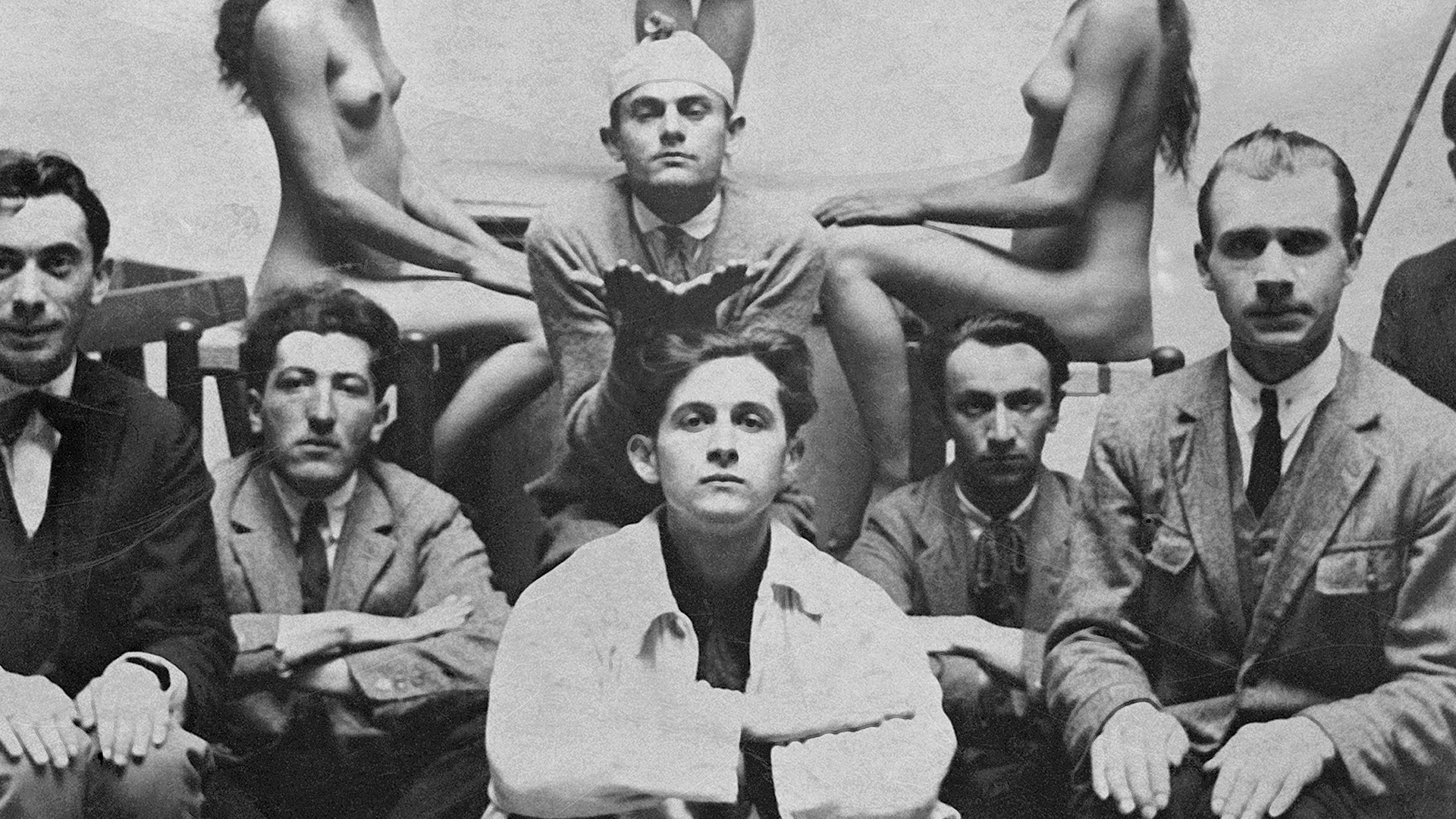
The strongest credential of Bucharest’s center for artistic pedagogy is the succession of major masters of national and universal art who received their initial professional training within the School of Fine Arts founded in 1864 by Theodor Aman and Gheorghe Tăttărescu. Among these figures, we mention selectively: Constantin Brâncuși, Victor Brauner, Paul Neagu, Ioan Andreescu, Ștefan Luchian, Gheorghe Petrașcu, Sabin Popp, Aurel Jiquidi, and Lucian Grigorescu. Among its graduates, some chose to devote themselves equally to an academic career, including: George Demetrescu Mirea, Francisc Șirato, Jean Al. Steriadi, Camil Ressu, Corneliu Baba, Alexandru Ciucurencu, Karl Storck, Dimitrie Paciurea, Cornel Medrea, Oscar Han, Ion Jalea, Gabriel Popescu, Octav Grigorescu, Simion Iuca, Ion Bitzan, Cecilia Cuțescu-Storck, Zoe Băicoianu, and Mac (Mihai Filip) Constantinescu. At the same time, in the fields of art history, aesthetics, and art criticism, personalities such as Alexandru Tzigara-Samurcaș, Eugen Schileru, Ion Frunzetti, and Vasile Drăguț were active.
As the only higher education institution in Bucharest dedicated to the visual arts and enjoying a strong national reputation, the University provides appropriate training for future practitioners and theoreticians. The essential premise of the education it offers is alignment with the needs of contemporary Romanian society, as well as synchronization with significant trends and movements in international contemporary art. This openness to renewal is grounded in the tradition of local art education, which has been characterized from its very beginnings by a European outlook.
In order to achieve these objectives, the University relies on an elite academic staff, closely connected—through artistic or theoretical activity—at both national and international levels to the cultural life of the present, as well as on a range of technological facilities. The University Library holds a diverse collection of specialized publications, including a media library whose rich holdings represent a valuable source of visual documentation. Over time, numerous exhibitions—some with international participation—have taken place in the University’s exhibition space, located in its immediate vicinity, and, since 2020, in the space hosted by the Combinatul Fondului Plastic. Events organized within unagaleria particularly support innovative projects related to the curriculum and the extracurricular activities of students and academic staff, contributing to the promotion of the University’s public image. From its very first events, unagaleria has attracted the attention of artists, journalists, art critics, curators, and the general public, owing to the rigor and consistency of its exhibition program, as well as to the elegance of its exhibition space. The University also operates a student residence in the central area of the capital, close to the studios and within short distance of the North Railway Station (Gara de Nord).
Within the framework of the reform of Romanian higher education aimed at ensuring student mobility at the European level, the University introduced the European Credit Transfer System (ECTS) as early as 1998. Beginning with the 2005–2006 academic year, in accordance with new regulations governing Romanian higher education, long-cycle undergraduate studies have been organized over a three-year period. Following the signing in Lisbon in 1997 of the European agreement on the recognition of academic qualifications, Romania initiated a process through which the Ministry of Education and Research concludes international agreements for the equivalence of certificates and diplomas.
The management of international relations, as well as efforts to strengthen the University’s profile within the current artistic and cultural context, fall under the responsibility of the Department of Image, Communication, and International Relations, which proposes and develops specific strategies and programs for this purpose. Its main activity consists in initiating, facilitating, and coordinating cooperation agreements with other universities and similar departments in Romania and abroad, with particular attention given to education and research programs promoted by the European Commission, international organizations, and foreign governments. In order to integrate the University into the European network of specialized institutions, the Department also promotes and develops study-abroad opportunities through international cooperation programs in research and education.
The University also hosts a research center that coordinates fundamental and applied research activities in accordance with national and international standards, with a strong emphasis on interdisciplinarity. Its research subfields include the study of tradition in artistic creation, the study of traditional and modern technologies, and applied research in the visual arts.
History
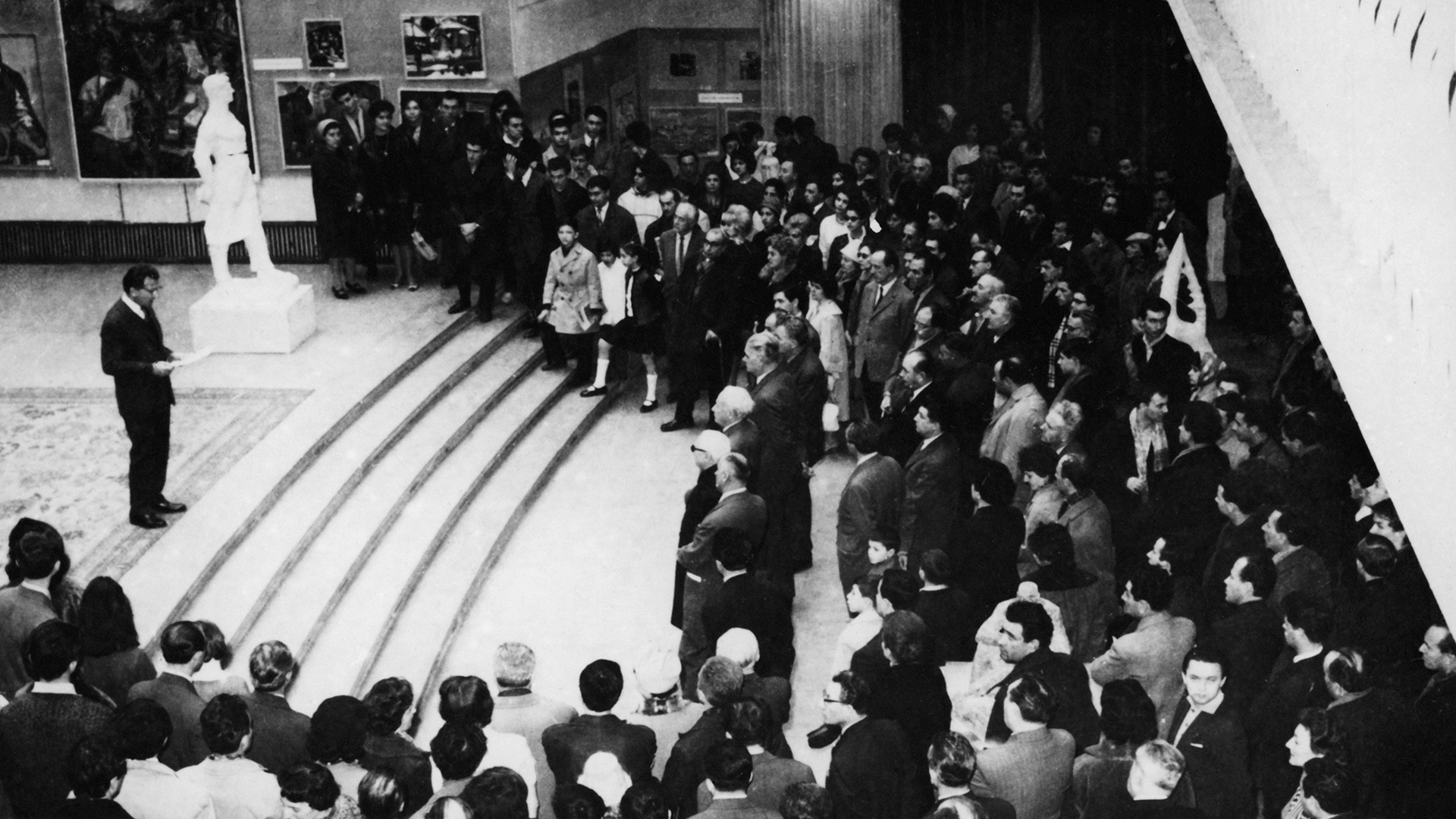
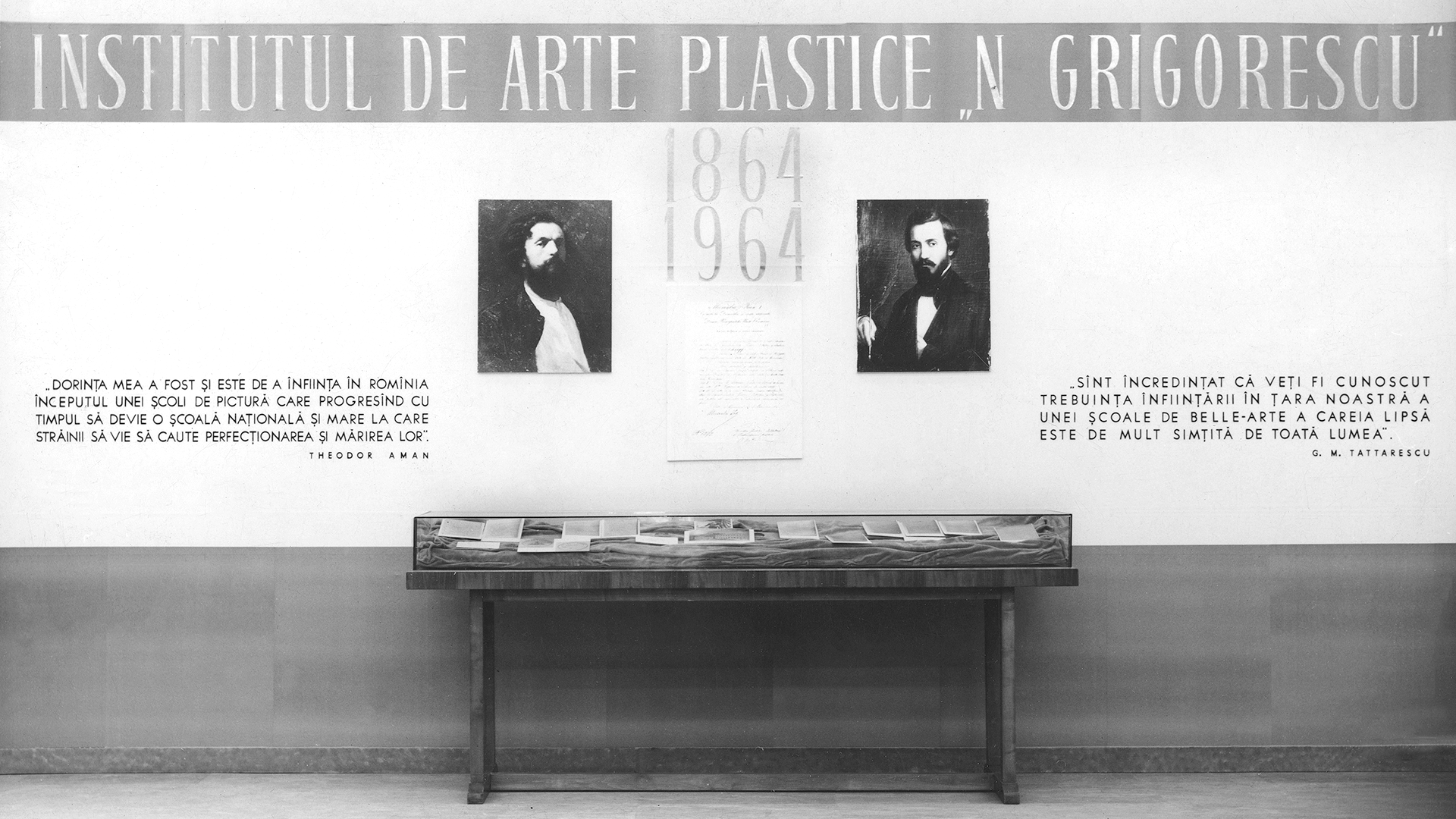
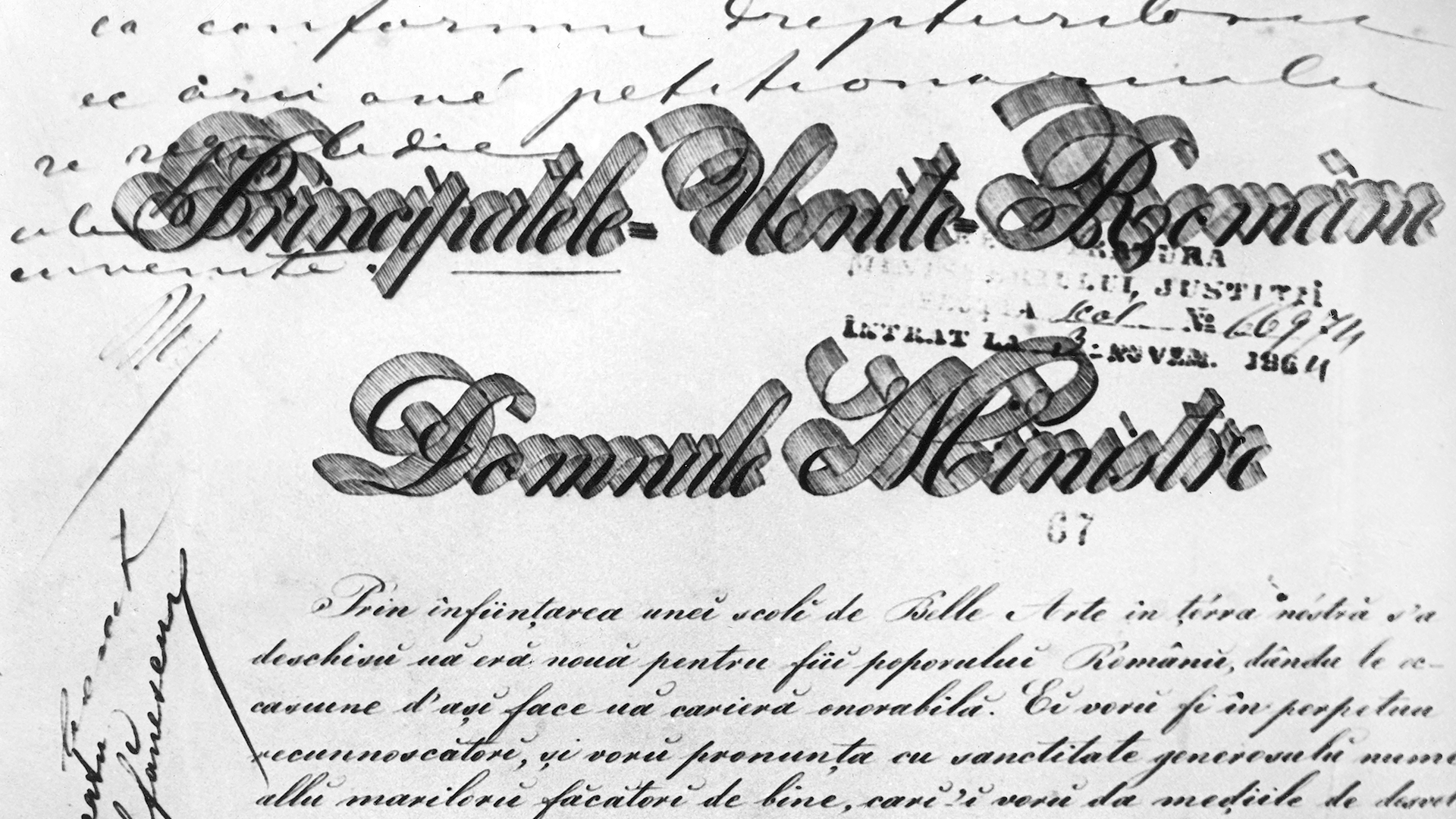
Beginning in 1859, Theodor Aman and Gheorghe Tăttărescu formally submitted to the authorities proposals for the establishment of a modern institution of artistic education. The approval of Prince Alexandru Ioan Cuza was ultimately obtained in June 1864, through the efforts of Dimitrie Bolintineanu, who at that time served as Minister of Public Instruction. Under Aman’s directorship, the School of Fine Arts in Bucharest defined an appropriate organizational structure inspired by the Parisian model. Subsequently, under the guidance of George Demetrescu Mirea, its academic standards were consolidated and its areas of specialization diversified through the inclusion of decorative arts. Following Mirea’s definitive retirement, the position of director was assumed by Camil Ressu, during whose mandate the institution gained university status in 1931. Ressu was elected the first rector and led the Academy of Fine Arts until 1941. He was succeeded by Eustațiu Stoenescu and Jean Al. Steriadi.
The education reform imposed by the totalitarian communist regime in 1948 disrupted traditional structures, giving rise to the hybrid Institute of Art, which brought together the faculties of Music, Theatre, Choreography, and Visual Arts. Various forms of pressure subsequently threatened the normal development of artistic education. New courses with pronounced ideological content were introduced, reflecting an agenda aimed at subordinating artists and enforcing the themes and aesthetics of socialist realism.
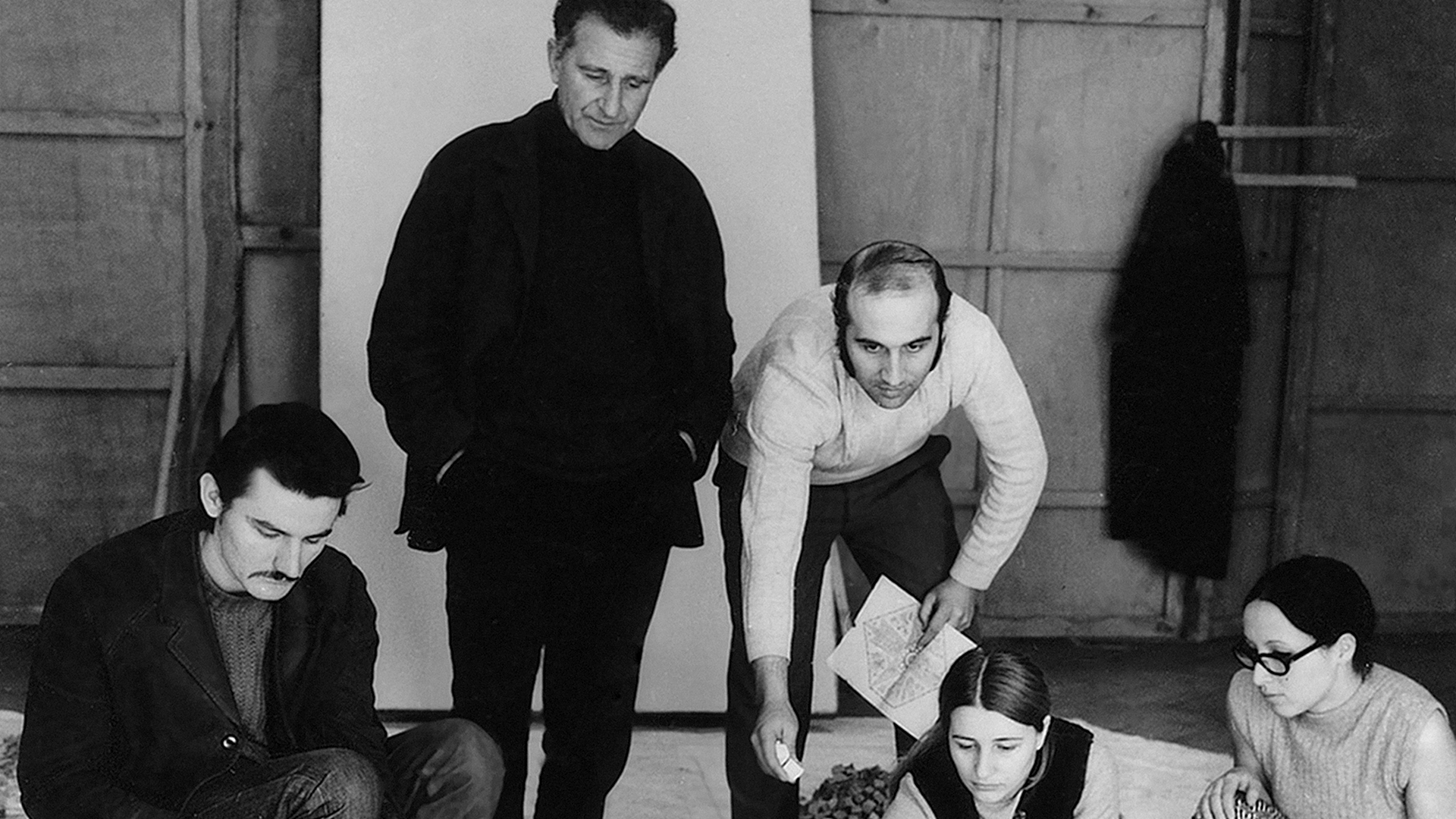
The recovery of disciplinary autonomy occurred relatively quickly, in 1950, with the founding of the “Nicolae Grigorescu” Institute of Fine Arts, which managed over the following decades to preserve standards consistent with its mission. The quality of education was ensured through the careful policies of successive rectors, who initially attracted teaching staff from among major figures of Romanian art active in the interwar period, and later cultural personalities who emerged in the first postwar decades. Among these were Nicolae Dărăscu, Corneliu Baba, Alexandru Ciucurencu, Ștefan Constantinescu, Rudolf Schweitzer-Cumpăna, Corneliu Medrea, Ion Lucian Murnu, Dr. Gheorghe Ghițescu, and architect Horia Teodoru, as well as art critics Eugen Schileru, Ion Frunzetti, Dan Hăulică, among others. Educating successive generations of engravers at an outstanding level, Professor Simion Iuca taught this discipline at the Bucharest school from the 1940s through the 1980s, drawing on his training at the École des Beaux-Arts. The ideological thaw of 1964–1969 coincided with the celebration of the School’s Centenary (1964). Through the efforts of Rector Costin Ioanid, the institution was supported in consolidating its prestige by continuing to integrate remarkable professors—Zoe Băicoianu, Ion Bitzan, Alexandru Brătășanu, Mac Constantinescu, among others—and by diversifying the decorative arts sections originally established in 1948. Thus, during the 1960s, sections dedicated to metal arts, glass, fashion, film and television scenography were founded. In 1969, following the efforts of architect Professor Paul Bortnowski, the Department of Industrial Design (Aesthetics of Industrial Forms) was established, representing the first form of higher education in design in Romania. As early as the 1950s, the Department of Art History, founded before the war at the University by George Oprescu, was integrated into the Institute. Later, around 1979–1980, through the efforts of Vasile Drăguț, then rector and professor of Romanian Medieval Art History, the Institute ensured the survival of the Institute of Art History, as well as certain specializations and facilities of the Directorate of Historic Monuments, which had been dissolved in 1978. On this occasion, the foundations were laid for education in the fields of conservation and restoration of artistic heritage.
In the years following the fall of the communist regime, a natural revival of elements of the interwar tradition took place. Throughout 1990, both faculty and students called for a return to the established name Academy of Arts in Bucharest, the reinstatement of an appropriate duration of studies, the abolition of compulsory job placements, and other reforms. During the rectoral mandates of sculptor Mircea Spătaru, the academic staff underwent a remarkable process of renewal and consolidation—while also ensuring a natural generational succession—through the recruitment, based on artistic excellence, of leading artists who had emerged in the 1960s and 1970s. These included painters Gheorghe Anghel, Florin Ciubotaru, Ștefan Câlția, Sorin Ilfoveanu, Horia Paștina; sculptors Mihai Buculei, Vasile Gorduz, Napoleon Tiron, Paul Vasilescu; and graphic artists Nicolae Aurel Alexi, Aurel Bulacu, Victor Ciobanu, Nistor Coita, Mircia Dumitrescu, Mihail Mănescu, among others, as well as younger and very young visual artists. During this same period, in 1992, a new faculty was established—the Faculty of Art History and Theory—whose core was the former department of the same name, revived after 1989, to which were added the sections of Art Pedagogy, Restoration, and Photo–Video Art.
In keeping with the spirit of harmonization with the European educational system—which had, in fact, guided the very origins of Bucharest’s artistic education—the Academy of Arts was accredited as a university in 1998. The current designation National University, granted in 2001, certifies the level of excellence achieved after a century and a half of educational experimentation, during which its chairs were occupied by exceptional artists and renowned scholars of Romanian art. Former students have pursued clearly defined trajectories within the local artistic context, and in some cases internationally, many of them in turn choosing academic careers—an evolution that explains the depth and stability of the pedagogical tradition in this field in Romania’s capital.